Need home termite treatment in Estell Manor?
Not sure what you found? Send a short note through the request form and a local provider can follow up. You can also request a callback to check provider availability.
No obligationStart with a quote
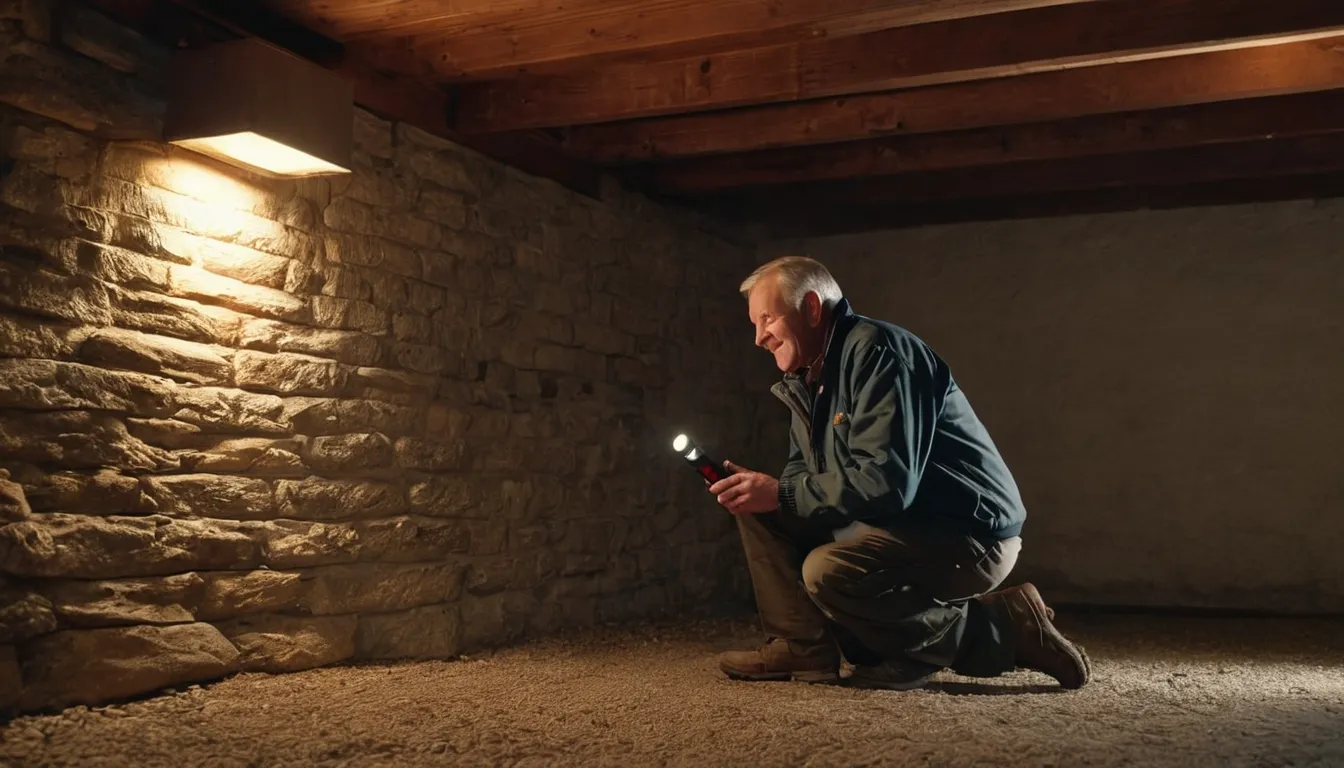
Termites are small insects that eat wood. They are easy to miss, and that is why finding signs can feel so upsetting. The good news is that they usually work slowly. You have time to learn the basics and make a clear plan.
Representseason Pest Control is a referral service. We do not do the treatment. We explain things in plain words, then connect you with an independent provider in the Estell Manor area who can inspect your home and give a written quote. Older homes get extra care, since stone foundations, damp basements and past repairs can hide surprises. One calm next step is all you need to take today.
Finding something odd in a beam or wall is stressful. Take a breath. Termites are tiny insects that eat wood, and they tend to work slowly. You have time to make a good plan.
Here is one calm next step. Request an estimate. A provider in our network can inspect the house and give you a written quote.
Termites do not leave on their own. Over months and years, they can weaken beams, joists and floors. Acting soon often means a smaller repair bill later.
Most damage hides inside walls, under floors or behind basement trim. Many first-time owners only notice when they open a wall for a remodel.
You do not need to be an expert. A few simple clues are enough to ask for an inspection.
Look for thin, pencil-sized tubes of dried mud on foundation walls. Termites use them as covered paths. Also watch for tiny shed wings on window sills in spring. These come from winged termites, called swarmers, that leave the nest to start new ones.
Tap baseboards, door frames and basement beams with a screwdriver handle. A hollow sound can mean the inside has been eaten. Sticking doors, sagging floors and bubbling paint can be clues too.
Keep it simple and gentle.
Older houses have more places for termites to hide. Aging wood, patched walls and old repairs all leave small gaps.
Stone and block foundations have many seams. Cold winters, freeze-thaw cycles and spring snowmelt can open cracks that let in moisture. Damp wood is easier for termites to enjoy. A provider will often check the basement first.
Old patches can cover earlier damage. If a past owner fixed a beam, ask the provider to look behind and around that spot. Multi-family and Cape Cod style homes can also share walls and attics, so mention that during the inspection.
The type matters, because it changes the treatment plan.
These live in soil and travel up through the ground into wood. They are the most common type in colder regions. Mud tubes are a classic sign.
These live inside the wood itself and need little contact with soil. Tiny, sand-like pellets near a wall or beam can point to them.
Treatment is a series of steps. A provider will explain each one before starting.
The provider checks the basement, crawl space, attic and outside walls. They look for tubes, damaged wood and moisture. Then they write up what they found and what they suggest.
One common method is a liquid barrier in the soil around the foundation. Another is a set of bait stations that termites carry back to the nest. Some jobs call for treating specific pieces of wood. Ask which method fits your home and why.
Request a callback to check provider availability in your area.
A good provider is happy to answer questions. Before you agree to anything, ask:
If you also need general residential pest control, ask whether the same provider can help. Searching for an exterminator near me gives a long list. A written quote helps you compare calmly.
Buyers often ask for a termite inspection report. If you are selling, an early inspection can prevent surprises. If you are buying an older house, make sure the report covers the basement and any past repairs.
Treatment is not the end. Keep soil and mulch away from siding. Fix leaky pipes and damp spots. Keep firewood off the ground and away from the house. Schedule any follow-up checks the provider suggests. Some policies may cover sudden damage, so check your policy, and providers can often help document damage for a claim.
Ready to take the next step? Ask for a written quote today.
A provider checks the basement, crawl space, walls and outside edges for termite signs and moisture.
You get the method, the area and the price in writing before any work starts.
Options may include soil barriers, bait stations or spot treatment, based on the termite type.
Many providers schedule return visits to confirm the treatment is working and watch for new activity.
Prices vary by home size, termite type and the method used. These are typical U.S. ranges only. Always ask for a written quote before you agree to any work.
| Item | Typical range | Notes |
|---|---|---|
| Termite inspection | $75 – $300 | Often needed before a home sale |
| Spot treatment | $250 – $900 | For small, local problems |
| Liquid soil barrier | $1,200 – $3,000 | Treats around the foundation |
| Bait station system | $1,500 – $3,500 | Installed and checked over time |
| Whole-structure drywood treatment | $1,200 – $8,000 | Depends on size and method |
| Yearly monitoring plan | $100 – $400 | Follow-up checks and renewals |
Tell us what you found and where, using the simple estimate request form.
We connect you with an independent provider in our network.
The provider checks your home and explains what they find.
Read the written quote, ask questions and decide at your own pace.
We explain termites simply, so you know what you are looking at before you decide.
Stone foundations, damp basements and past repairs get extra attention when we match you with providers.
The providers in our network do the work. We simply connect you with one nearby.
Request an estimate first. There is no obligation, and you choose what to do next.
Not sure what you found? Send a short note through the request form and a local provider can follow up. You can also request a callback to check provider availability.
No obligationTermites have thick waists and straight antennae. Flying ants have pinched waists and bent antennae. Termite wings are also equal in size. If you are unsure, save a sample and ask a provider to look.
It depends on the method and the size of the problem. Some treatments start working within days, while bait systems can take months. The provider should explain the timeline and any follow-up visits in your written quote.
Many policies exclude termite damage, but some may cover sudden damage. Check your policy and ask your insurer. Providers can often help document damage for a claim.
Not sure what you found? Send a short note through the request form and a local provider can follow up. You can also request a callback to check provider availability.
No obligation